Villages and hidden corners near Casona de Tao hotel
Discover a world full of adventure and living nature.
Teguise — The Most Charming Village in Lanzarote
Lanzarote’s former capital until 1852, Teguise has kept its colonial old town almost untouched. Every Sunday, its craft market fills the village squares with more than 200 artisans — the most visited market on the island. The Church of Nuestra Señora de Guadalupe and the nearby Santa Bárbara Castle round off a stroll that blends history with everyday local life.
Just 8 km and 10 minutes from Casona de Tao.
Haría — The Green Oasis of the North
Known as the ‘Valley of a Thousand Palm Trees’, Haría is the greenest village in Lanzarote, tucked among mountains at the island’s northern tip. Its white houses with green doors and unhurried pace won over César Manrique, who chose Haría to spend his final years. On Saturdays, a small organic market fills the main square.
18 km and 20 minutes from Casona de Tao.
Tao — Your Rural Tourism Base in Lanzarote
Tao is a small inland municipality with barely any traffic or noise, where volcanic landscapes blend with fig groves and vineyards. Here, in a beautifully restored former farmhouse, you’ll find Casona de Tao — your true home base for exploring the island, ten minutes from almost everywhere and a world away from mass tourism.
Caleta de Famara — Surf, Cliffs and Atlantic Sunsets
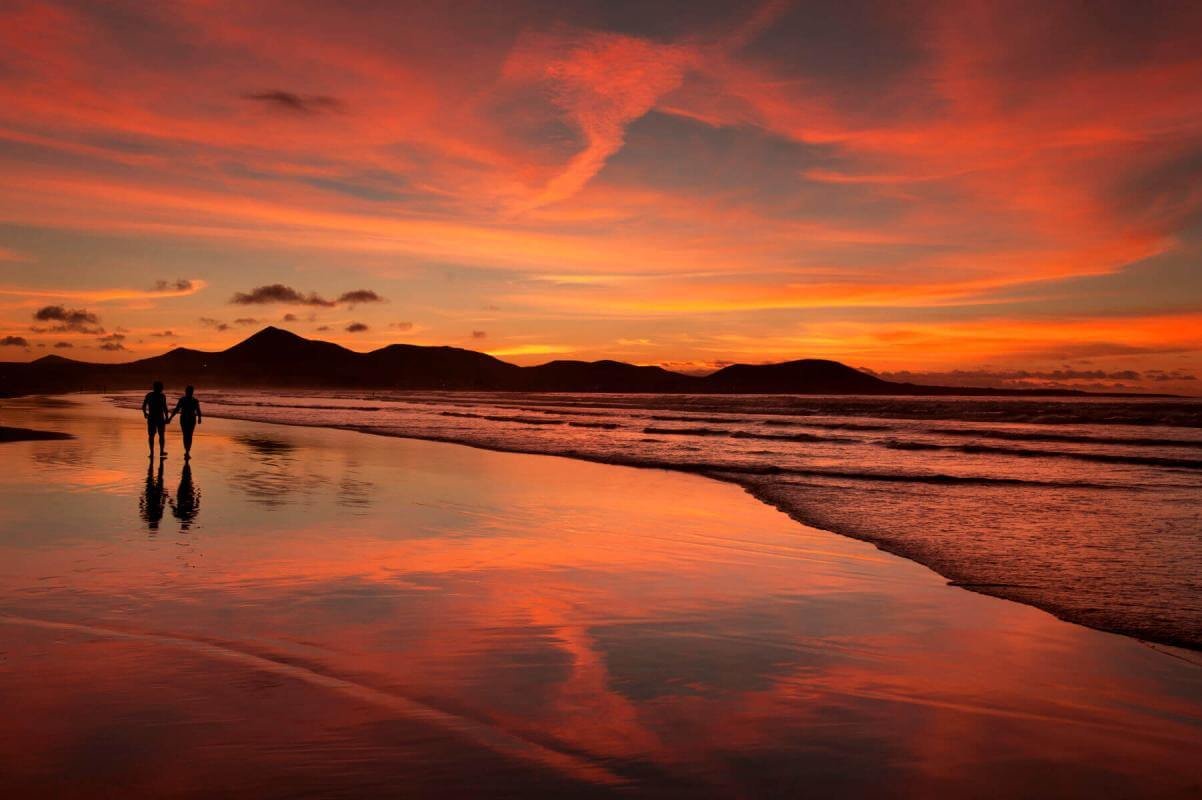
Caleta de Famara pairs one of the best surf beaches in the Canary Islands with the Risco de Famara, a cliff face over 600 metres high that drops straight into the sea — one of the tallest in Europe. Mornings are for surf lessons; evenings bring the sun dropping behind the cliff in a show that needs no filter.
13 km and 15 minutes from Casona de Tao.
Arrieta — The Prettiest Fishing Village in the North
A genuine fishing village on the north coast, with no big hotels or resort entertainment in sight. Its restaurants serve fish landed that same morning — grouper, bream, mackerel — and its closeness to Jameos del Agua and Cueva de los Verdes makes it a must-stop on any northern route.
20 km and 22 minutes from Casona de Tao.
Yaiza — The Miracle Village by the Volcano
Regarded as one of the prettiest villages in Spain, Yaiza has kept its immaculate whitewashed houses and narrow, largely car-free streets. It is the gateway to Timanfaya National Park, and its Church of Nuestra Señora de los Remedios watches over a square that feels frozen in time.
22 km and 25 minutes from Casona de Tao.
El Golfo — The Green Lagoon and the Charm of the Southwest
A small fishing village of colourful houses facing the sea, right next to one of the most photographed landscapes in Lanzarote: Charco de los Clicos, an intensely green lagoon separated from the ocean by a strip of black sand. Nearby you’ll also find Los Hervideros, where the sea crashes powerfully against the lava.
27 km and 30 minutes from Casona de Tao.
More Charming Villages to Discover in Lanzarote
The island holds far more than its most famous villages. These six corners of the inland and northern areas capture the most authentic essence of Lanzarote, all within 30 km of Casona de Tao.
San Bartolomé
The inland island’s administrative capital keeps its Canarian soul without mass tourism. Its white streets, the Museo Tanit and the 17th-century baroque church make up a one-of-a-kind ensemble. Just 5 km from Casona de Tao, it’s the authentic village travellers rarely discover.
Órzola — Fishing Port
The northernmost tip of Lanzarote holds the island’s finest seafood. Ferries to La Graciosa — the only inhabited island in Spain without paved roads — leave from its jetty. Fresh lobster, grilled mackerel and a limitless horizon await early risers.
Mozaga — Birthplace of an Artist
César Manrique, the artist who shaped Lanzarote’s visual identity, was born in this tiny inland village. Nearby, LagOmar — the only casino-museum in the world carved into a volcano — and the Centro de Arte y Cultura are unmissable stops.
La Geria — The Volcano’s Vineyards
More than 2,000 pits dug into black volcanic sand — known as picón — where every malvasía vine survives on nothing but the night dew. The El Grifo winery (founded in 1775, the oldest in the Canary Islands), La Geria and Rubicón all open their doors for tastings of a volcanic wine found nowhere else on Earth.
Tinajo — Gateway to Timanfaya
Timanfaya National Park is reached via Tinajo, 18 km from Casona de Tao. Just centimetres below the surface, the ground still reaches 400°C. The geothermal El Diablo restaurant cooks with the earth’s own heat — an experience found nowhere else in the world.
Máguez — The Valley’s Secret
Tucked among the Canary palms of the Valle de los Mil Palmas, Máguez is the village tourists never quite find. White houses, geranium-filled gardens and a silence that makes you want to stay. Hikers use it as a starting point for the Mirador del Río and the cliffs of Famara.
Authentic Cuisine You Can’t Miss
Lanzarote’s cuisine is shaped by its volcanic land and its sea. Every dish tells the story of the farmers and fishermen who learned to live — and eat — in one of the most extreme landscapes in Europe.
Papas Arrugadas with Mojo
Small local potatoes boiled in sea-salted water until their skins wrinkle. Served with red mojo (pepper, cumin, coriander) or green mojo. In Lanzarote, the papas bonita potatoes from Tinajo are the ones the island’s chefs prize most.
Potaje de Berros (Watercress Stew)
The most traditional stew of the interior combines wild watercress, beans, corn, pumpkin and ham stock. In the country inns of Tao and San Bartolomé it’s still served just as inland farmers made it on the cool days of the Canarian winter.
Fresh Fish from Arrieta
Grouper, bream and mackerel go straight from the boats to the restaurant tables of Arrieta and Órzola. Grilled and served with papas arrugadas and mojo, it’s the most honest way to eat in Lanzarote. Órzola’s seafood — especially its lobster — is renowned across all of Spain.
Lanzarote Goat’s Cheese
The majorera goat breed, adapted to the arid volcanic terrain, produces milk with a uniquely mineral flavour. Fresh or cured Lanzarote cheese, spread with mojo or drizzled with Canarian oil and tomato, is one of the most prized Protected Designation of Origin products in the islands.
Malvasía Wine from La Geria
The wine born from ash: golden in colour, fruity on the nose, with an unmistakable volcanic minerality. Bodega El Grifo, founded in 1775, is the oldest winery in the Canary Islands. At Casona de Tao we keep a selection of the finest vintages to accompany your evenings.
Conejo en Salmorejo (Rabbit in Salmorejo Marinade)
The islands’ classic game dish: rabbit marinated for hours in salmorejo (vinegar, garlic, bay leaf, pepper and thyme) and slow-fried to perfection. The best versions are served in the country inns of Tao and San Bartolomé, and at Casa de Hilaria in Teguise.
Activities and Excursions from Casona de Tao
Casona de Tao’s privileged position at the heart of the island puts Lanzarote’s biggest attractions within a 30-minute drive.
Teguise Craft Market
Every Sunday from 9am to 2pm, the former capital fills its squares with more than 200 local artisans. Cheeses, bottled mojo, obsidian and lapilli jewellery, linen clothing and traditional Canarian pottery.
Fundación César Manrique
Manrique’s volcano-house in Taro de Tahíche is a Spanish Historic Heritage site. Five interconnected volcanic bubbles form rooms unlike anything else in Canarian contemporary art. 8 km from Casona de Tao.
Timanfaya — Fire from the Earth
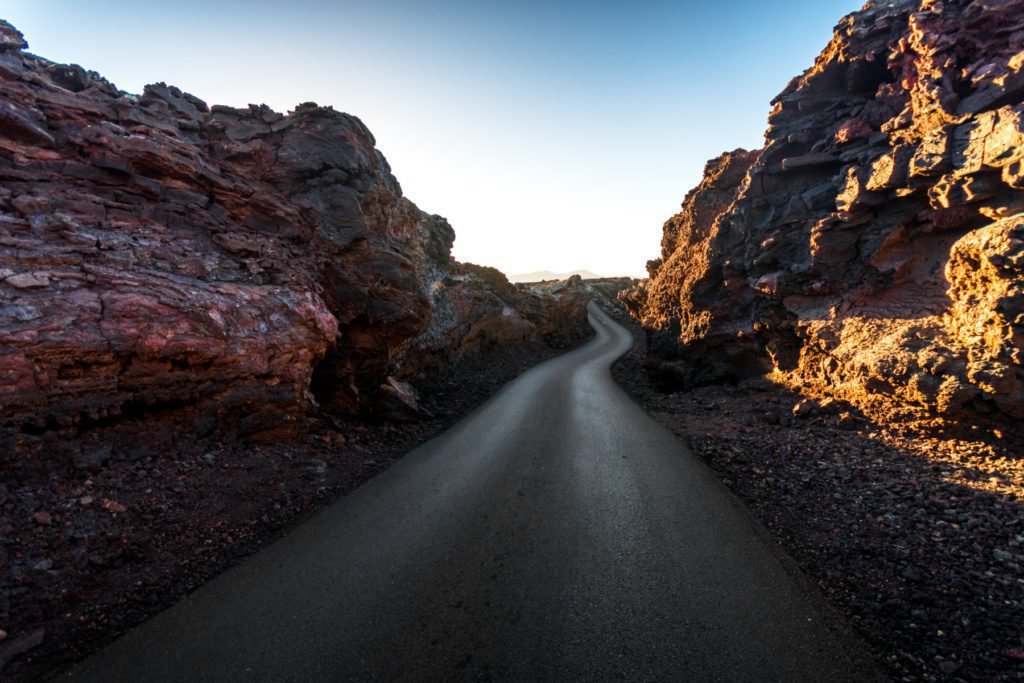
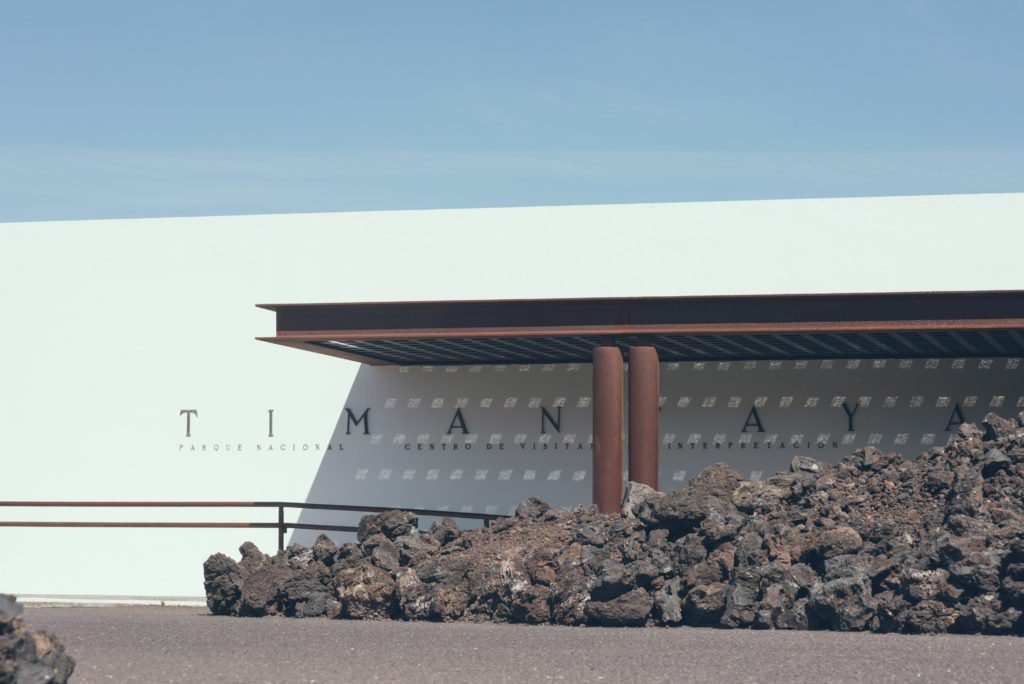
The volcanic heart of Lanzarote: 51 km² where the 1730–1736 eruptions created an otherworldly landscape. The Route of the Volcanoes and the geothermal El Diablo restaurant are experiences like no other.
Jardín de Cactus in Guatiza
Manrique’s final great work (1990): a sunken amphitheatre built into a former quarry, home to more than 1,400 cactus species from around the world. 10 km from Casona de Tao.
Stargazing
Lanzarote’s skies are protected as a UNESCO Biosphere Reserve. From Tao, far from light pollution, the Milky Way is visible to the naked eye on clear nights. Guided stargazing routes are organised from Teguise.
Wine Tastings in La Geria
Visit the El Grifo, La Geria and Vega de Yuco wineries. Taste malvasía, moscatel and listán negro while learning about the only winegrowing method in the world that uses pits dug into volcanic lapilli. Best enjoyed in low season, at a relaxed pace.
Cueva de los Verdes y Jameos del Agua
A 6 km underwater volcanic tube connects both caves. The blind albino crab (Munida iris), a species found nowhere else in the world, lives in the Jameos. Manrique turned the space into a venue for art and music that will leave you speechless.
Hiking Trails
The Camino de los Aloes (a 30 km north–south trail), the Camino del Jable through volcanic dunes, the descent to Mirador del Río, or the trails of the Risco de Famara. From Casona de Tao, the best stretches are within 20 minutes.
Perfect Day Trips from Casona de Tao
Three itineraries designed to make the most of every day. Head out after breakfast and return at sunset with your suitcase full of memories.
Valley, Sea and La Graciosa
Haría (Valle de los Mil Palmas and craft market) → Máguez → Mirador del Río (views of La Graciosa) → Jameos del Agua → Arrieta (fresh fish lunch) → Órzola (stroll and lobster) → Cueva de los Verdes → back via Tao. A full day out — set off early to reach the Valle de Haría first thing.
Art, History and Volcanic Wine
San Bartolomé (Museo Tanit) → Teguise (market or old town) → Fundación César Manrique → La Geria (tasting at Bodega El Grifo) → Yaiza (lunch in the white village) → El Golfo (green volcanic lagoon) → return along the coast. Ideal for Sundays, when the Teguise market is on.
Fire, Salt and a Lunar Landscape
Tinajo (gateway to Timanfaya) → Timanfaya National Park (Route of the Volcanoes + El Diablo restaurant) → Salinas de Janubio (the largest salt flats in the Canary Islands) → El Golfo → Playa Blanca (seafront promenade) → Femés (viewpoint) → return. The island’s most spectacular route, especially at sunrise or sunset.
Distances from Casona de Tao to the Charming Villages
No village of note in Lanzarote is more than 30 minutes from the island’s geographical centre.
| Village | Distance | Time | Best time |
|---|---|---|---|
| Teguise | 8 km | 10 min | Sundays — craft market |
| San Bartolomé + La Geria | 11 km | 12 min | Any day — volcanic wineries |
| Caleta de Famara | 13 km | 15 min | Morning (surf) or afternoon (sunset) |
| Haría | 18 km | 20 min | Saturdays — organic market |
| Arrieta | 20 km | 22 min | Midday — fresh fish |
| Yaiza + Timanfaya | 22 km | 25 min | Morning — Route of the Volcanoes |
| Femés (viewpoint) | 25 km | 28 min | Afternoon — sunset over the Ajaches |
| Órzola + La Graciosa ferry | 26 km | 28 min | Morning — 10:00am ferry |
| El Golfo | 27 km | 30 min | Sunset — green lagoon |
Tips for Exploring the Charming Villages
Frequently Asked Questions about the Charming Villages in Lanzarote
When is the Teguise market?
Every Sunday, from 9am to 2pm. It’s the largest and most visited market in Lanzarote, with over 200 artisans selling cheeses, obsidian jewellery, linen clothing and Canarian pottery in the squares of the island’s former capital.
It’s just 8 km and 10 minutes from Casona de Tao.
Which is the prettiest village in Lanzarote?
It depends what you’re after. Many consider Yaiza the prettiest, for its immaculate white houses and closeness to Timanfaya. Haría wins on authenticity and greenery. Teguise, on history and Sunday buzz. And El Golfo, on scenery, with its green lagoon.
The advantage of staying in Tao is that all four are less than 30 minutes away.
How do you get to La Graciosa from Lanzarote?
By ferry from the port of Órzola, with several sailings a day (the first is usually around 10:00am). The crossing takes about 25 minutes.
Órzola is 26 km and 28 minutes from Casona de Tao.
Which village is closest to Timanfaya National Park?
Yaiza, just minutes from the park entrance. It’s 22 km and 25 minutes from Casona de Tao, and many visitors combine the Route of the Volcanoes in the morning with a stroll around Yaiza at midday.
Is Mirador del Río worth visiting?
Yes. It’s one of the best viewpoints in the Canary Islands: the El Río strait and La Graciosa laid out below a 400-metre cliff, from a building designed by César Manrique that’s built right into the rock itself.
It’s part of the northern route that passes through Haría and Arrieta.
Where can you see the best sunset in Lanzarote?
Two spots stand out from the rest: Caleta de Famara, with the sun dropping behind the Risco, and El Golfo, with the light playing over the green lagoon and the sea.
Both are less than 30 minutes from Casona de Tao.
Which village has the best fresh fish?
Arrieta and Órzola, the two fishing villages on the north coast. In Arrieta, the fish goes straight from the boat to the restaurant; in Órzola, you’ll also find the island’s best lobster.
How do I reach the charming villages without a car?
It’s possible using Lanzarote’s guagua (bus) network, though services to inland areas run less frequently. To make the most of the villages and their schedules — the Teguise market, the Órzola ferry — renting a car is the most practical option: everywhere is within 30 minutes of Casona de Tao.
What is Timanfaya National Park?
It’s the volcanic heart of Lanzarote: 51 km² of landscape shaped by the 1730–1736 eruptions, protected as a National Park since 1974. Visits are made by bus along the Route of the Volcanoes, with guides explaining how the fire underground is still active — something you can see for yourself in the geothermal demonstrations next to the El Diablo restaurant.
Yaiza, the closest gateway, is 22 km from Casona de Tao.
What is the El Diablo restaurant in Timanfaya?
A restaurant inside the National Park designed by César Manrique, famous for cooking with the volcano’s own geothermal heat: a grill set directly over a natural fissure where the ground exceeds 400°C. Besides eating, you can watch demonstrations where water poured into the ground instantly turns into a geyser.
What is Cueva de los Verdes?
A volcanic tube several kilometres long, formed by the eruption of the Volcán de la Corona, with part of its length fitted out for guided tours. Its name comes from the green lichen covering parts of the walls near the entrance.
It’s on the northern route, very close to Arrieta and Jameos del Agua, about 22 km from Casona de Tao.
What is Lanzarote’s volcanic malvasía wine?
The island’s signature white wine, made from grapes grown in the pits of La Geria — hollows dug into picón (black volcanic sand) that trap the night-time humidity on an island that sees almost no rain. Wineries such as El Grifo (founded in 1775, the oldest in the Canary Islands) welcome visitors to tour the vineyards and taste the wine, just minutes from Casona de Tao.
Best-Price Bookings
Avoid the extra fees charged by other platforms.
Book directly and pay conveniently upon arrival.
With free cancellation and breakfast included.